16 DECEMBER 2025
Announcing Archive & Resist Conclave
We are pleased to announce the first edition of Archive & Resist Conclave, to be held on 26–27 January 2026 in Dhaka, Bangladesh.
Read Full Article
Milan Kundera
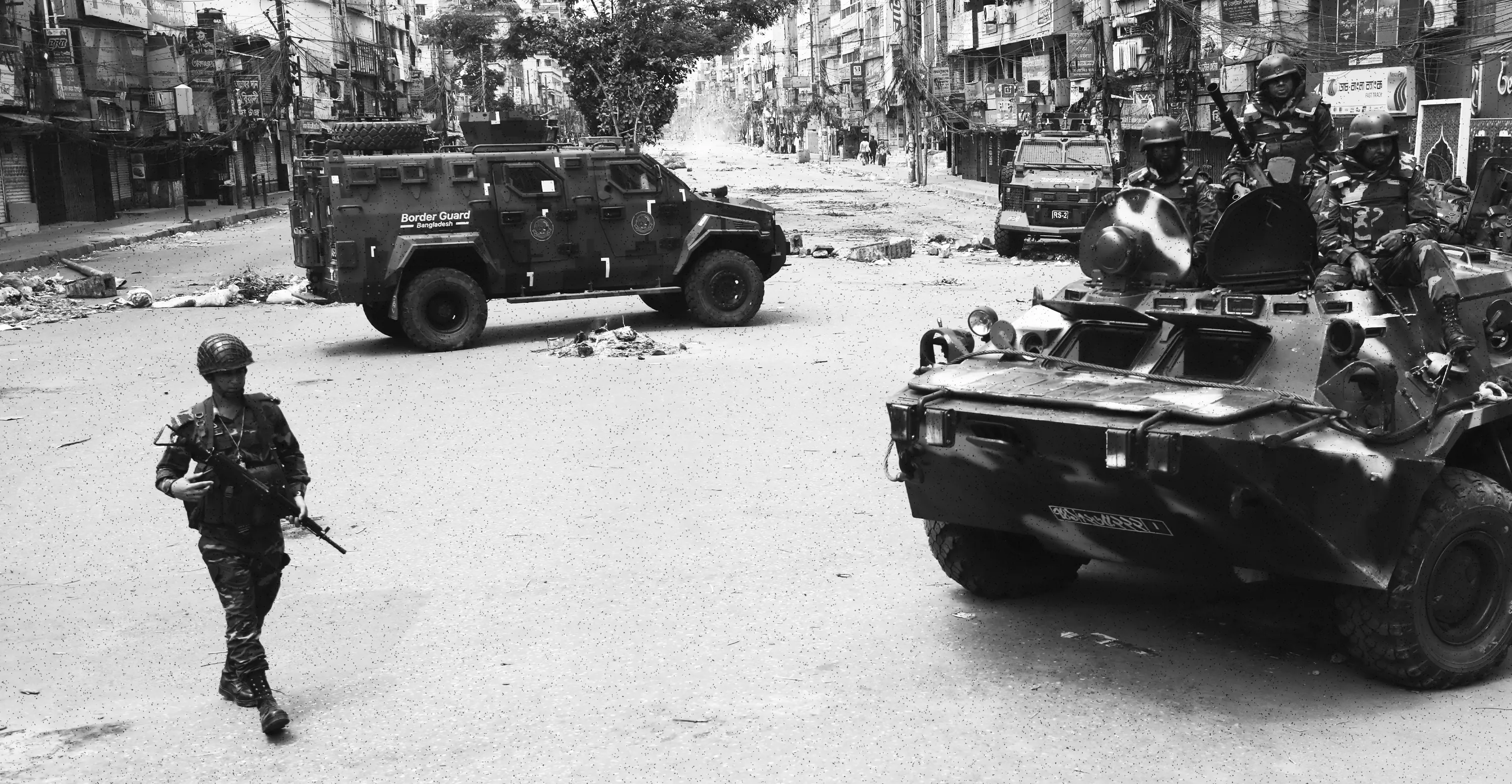
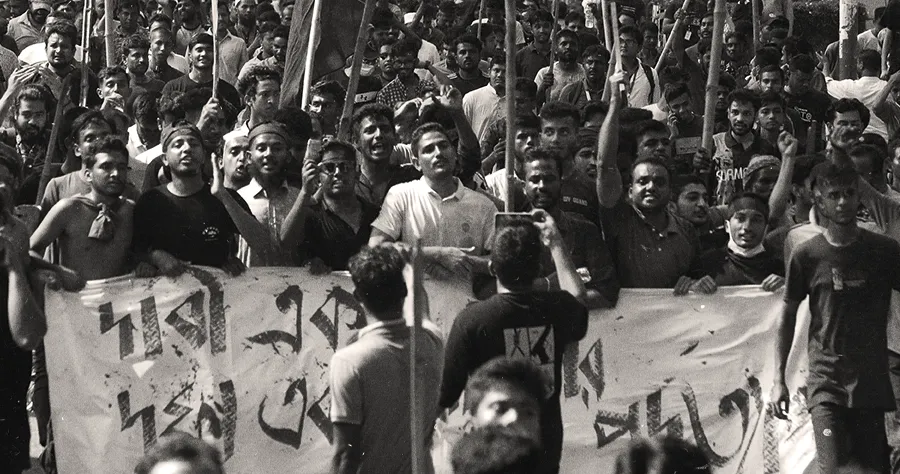
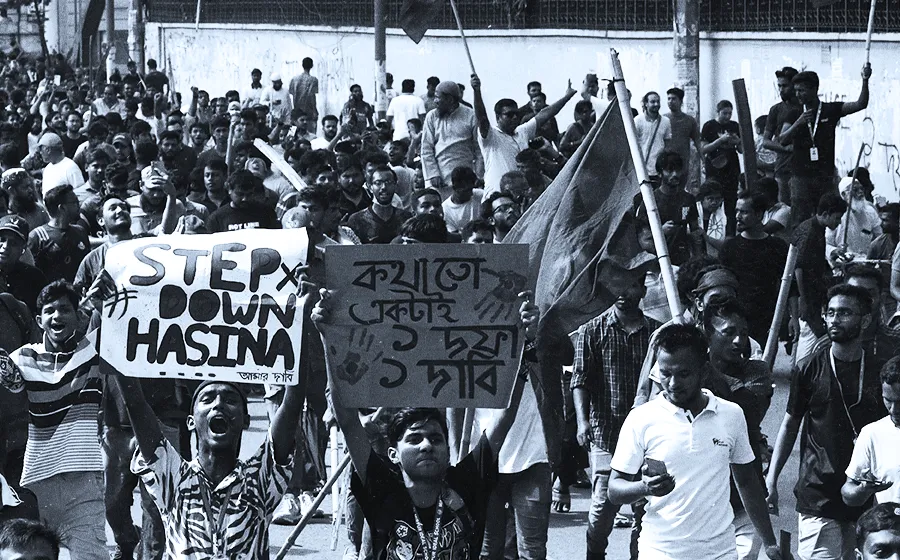
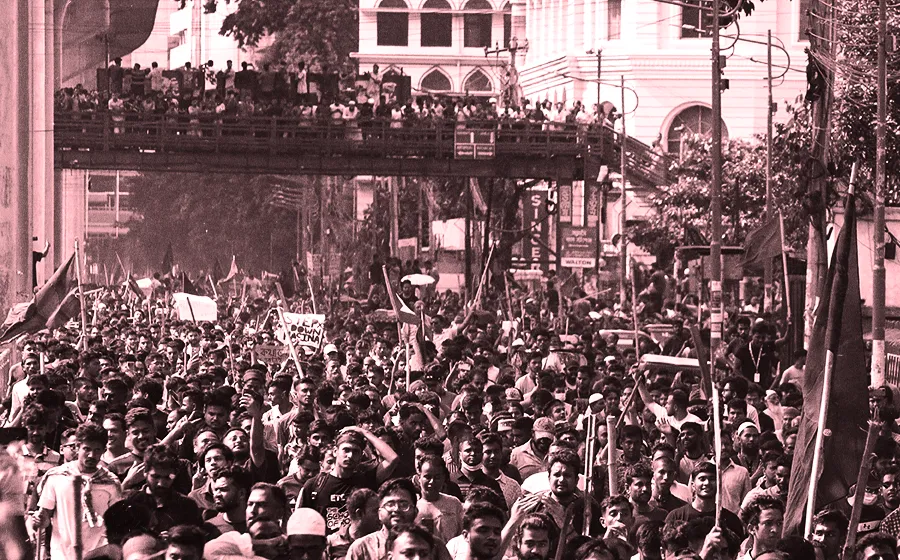
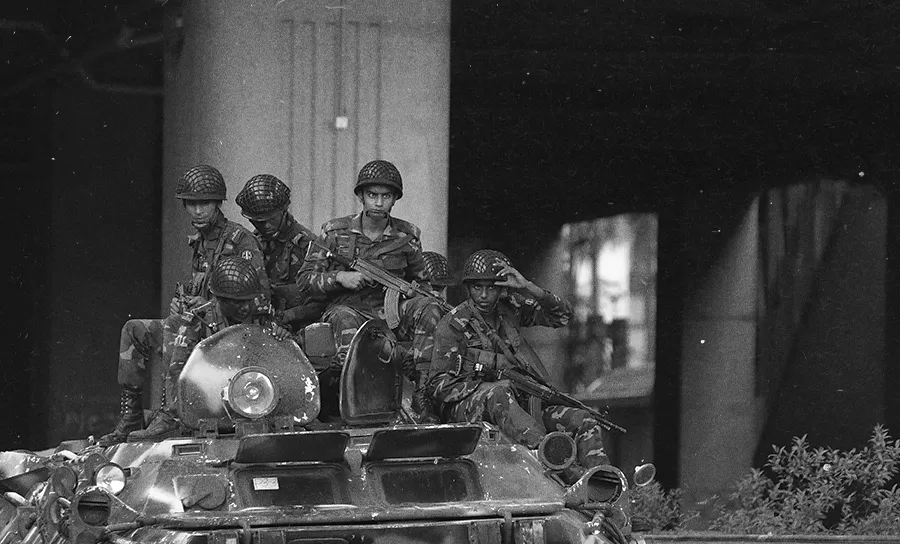
The July uprising marked a pivotal shift in how we witness and record state violence. In the face of blackouts and suppression, citizen documentation emerged as the primary tool for truth and as crucial evidence for justice.
This Conclave brings together archivists, human rights defenders, technologists, transitional justice advocates, and young people who are building the infrastructure for human rights documentation for memory, accountability, and reconciliation.
We are moving from reactive recording to proactive preservation. Our journey is to build a collective movement for evidence-ready documentation.
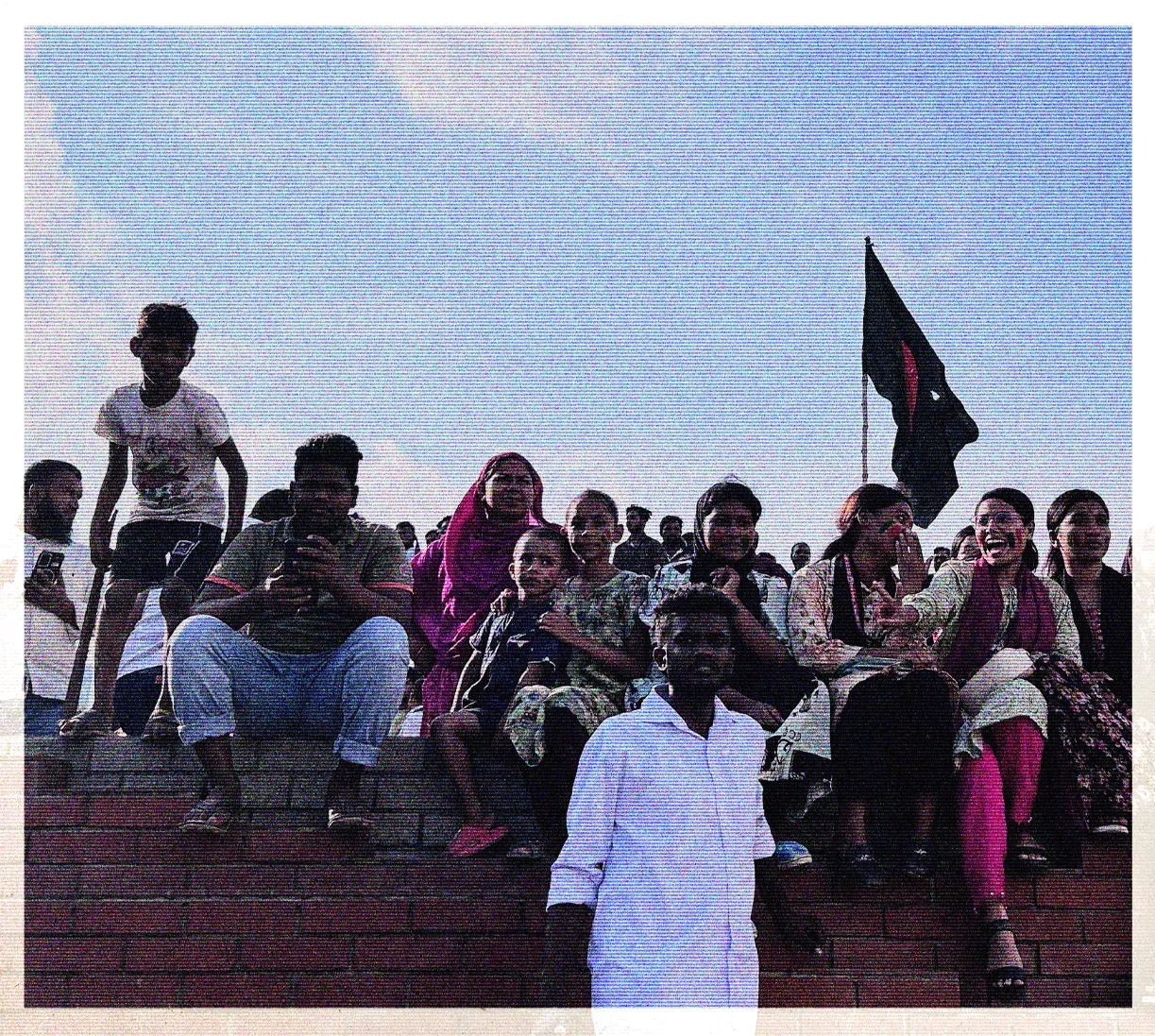
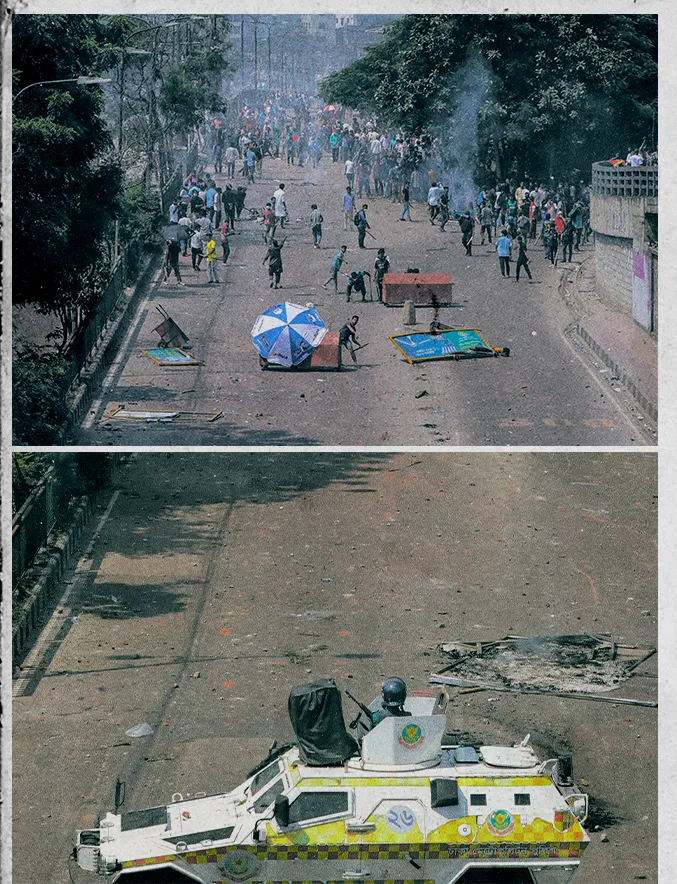
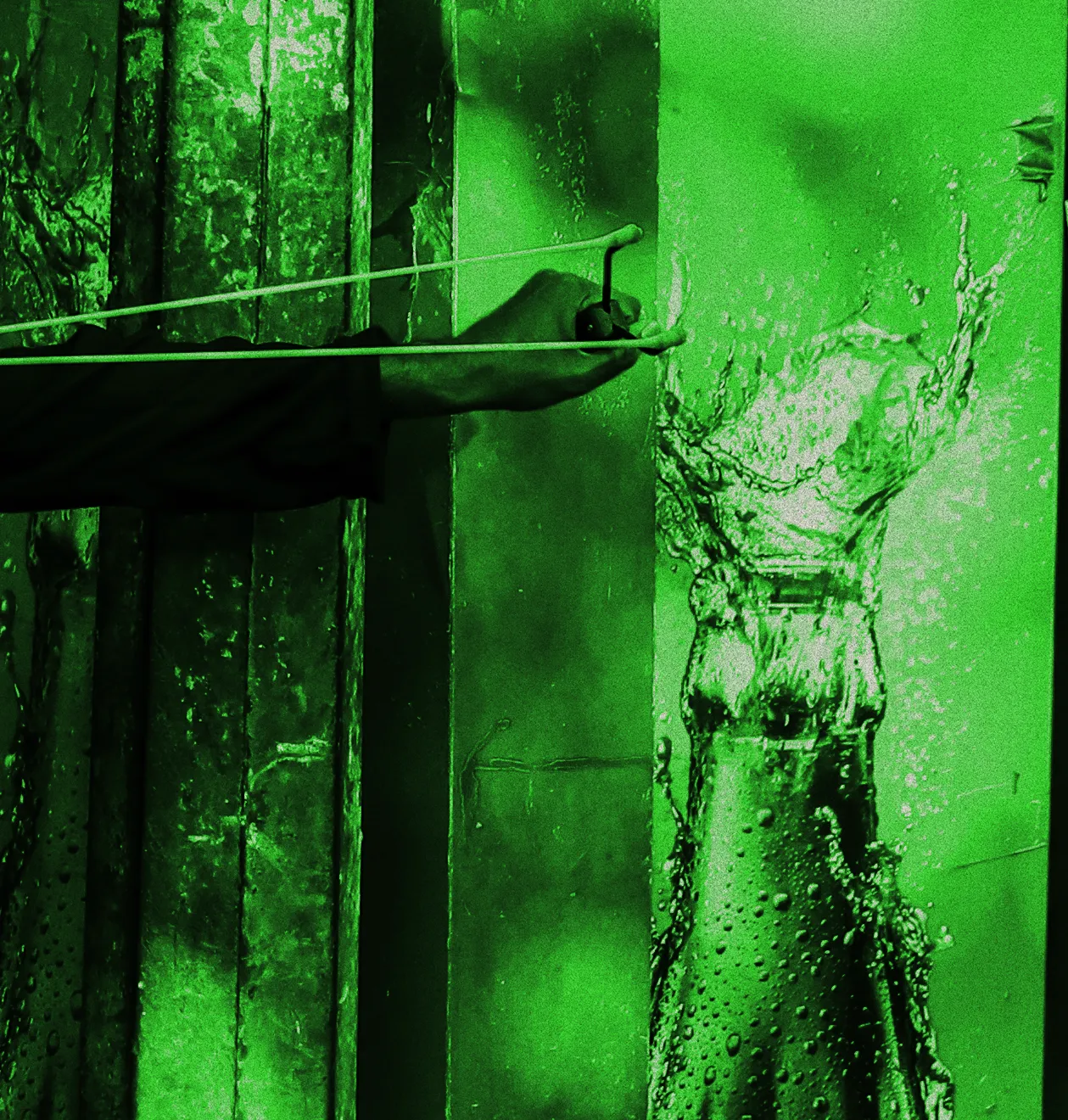
Create a shared learning space for young people, practitioners, and human rights defenders to explore, practice, and reflect on human rights documentation and community-led investigation and more, while building a shared vision for protecting human rights and strengthening democratic space.
Facilitate critical discussions at the intersection of transitional justice and human rights documentation, grounded in trauma-informed and care-based approaches. These conversations will also engage with digital rights, shared standards for community-led archiving and ethical OSINT, and emerging technologies, including both the threats and opportunities that AI presents for evidence-ready human rights documentation.
Strengthen cross-border regional solidarity and exchange by bringing together practitioners and human rights defenders from across the Asia-Pacific region to share strategies, tools, and resources. The goal is to build an ecosystem of resistance, memory work, and survivor-centric, justice-focused documentation, particularly within digital spaces. This includes creating an intergenerational space for dialogue between experienced practitioners and emerging defenders.
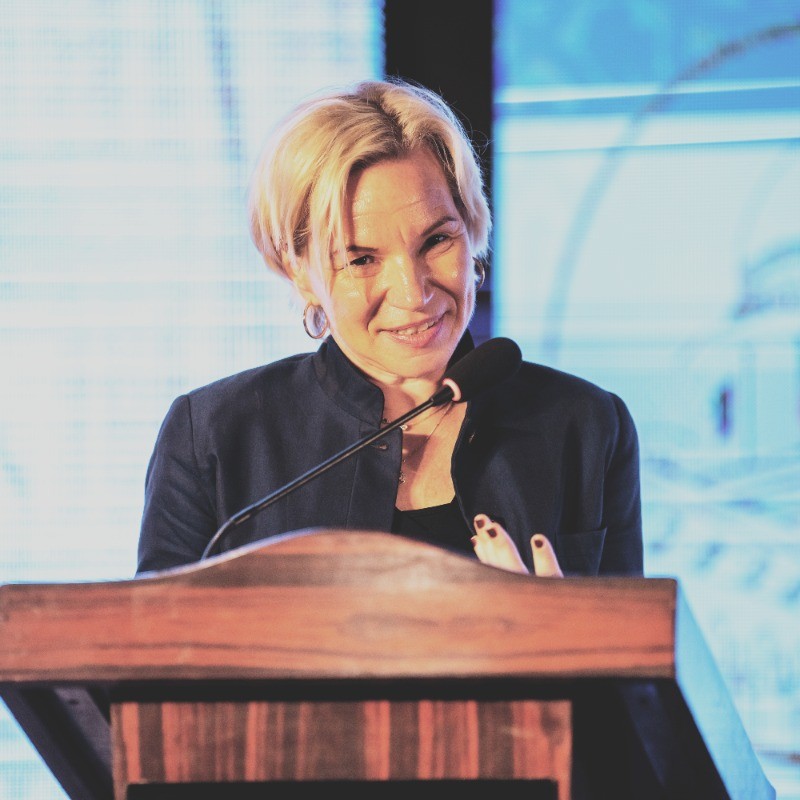
Senior Rule of Law, Justice, and Security Advisor
UNDP

Program Associate, Rule of Law, Justice
UNDP

Program Lead (Asia-Pacific)
WITNESS

Coordinator, Evidence & Investigation
WITNESS
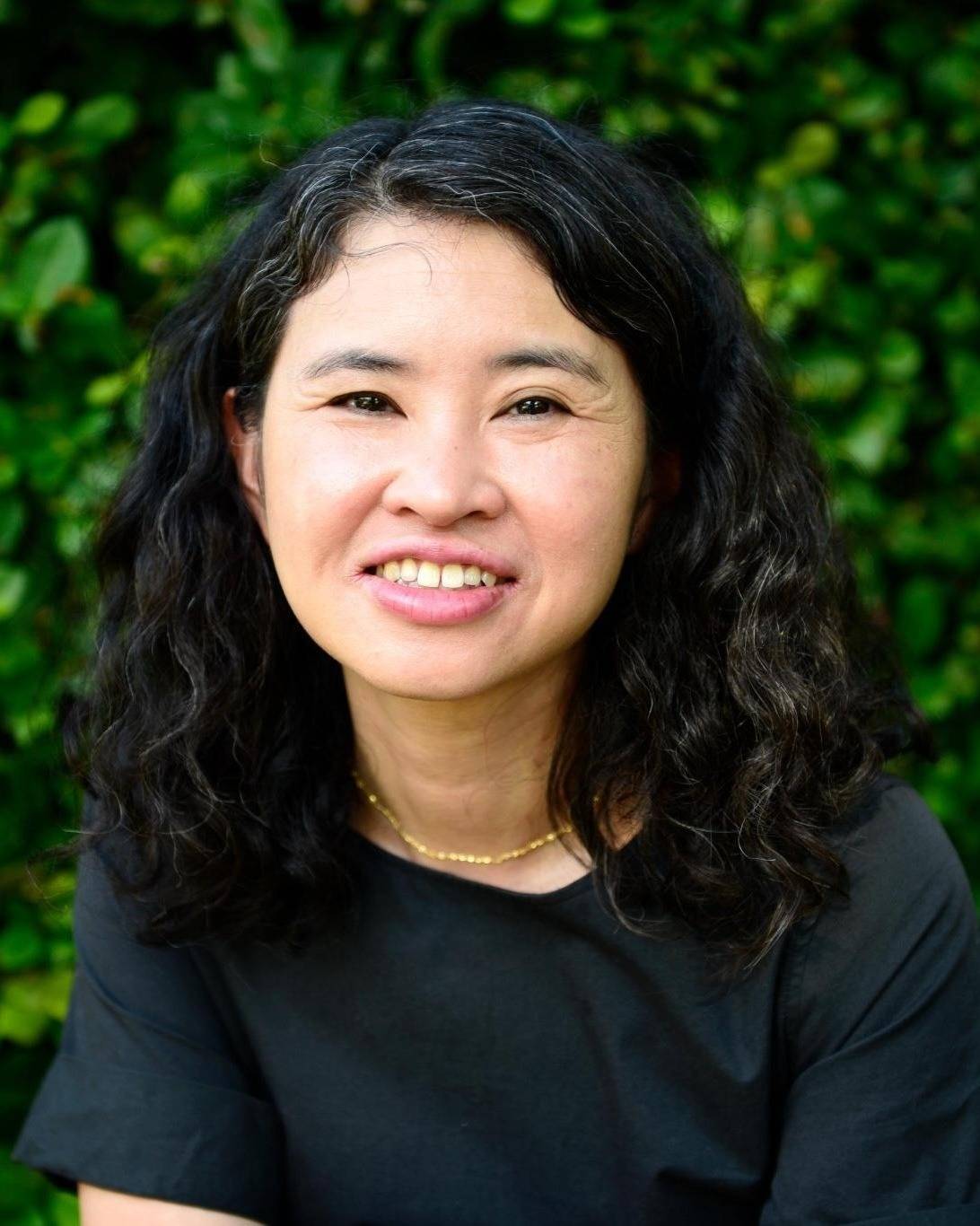
Senior Program Manager of the Archives
WITNESS

Program Coordinator
WITNESS
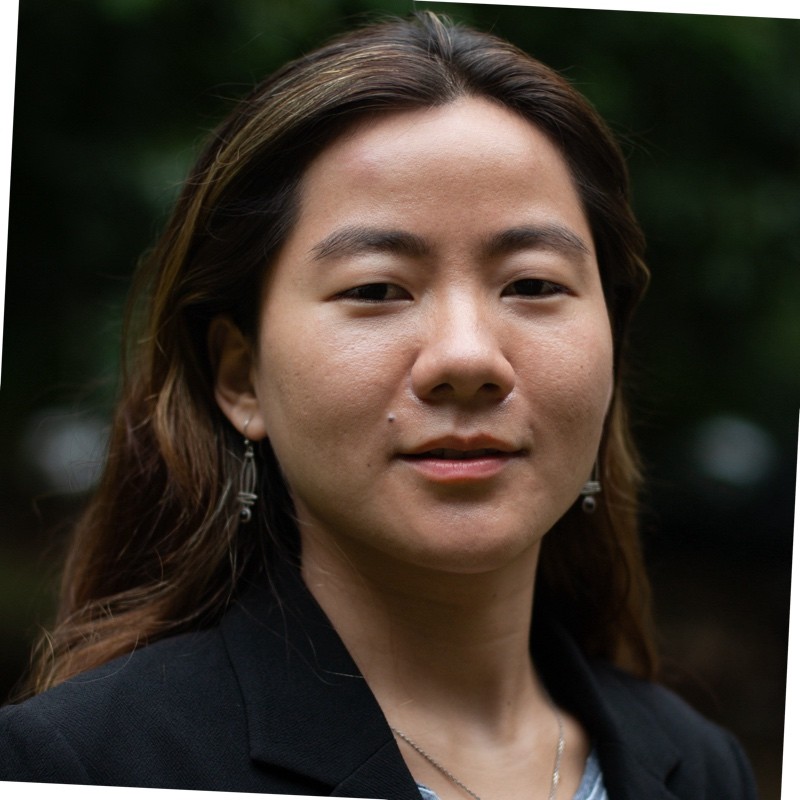
Programme Officer
HURIDOCS
Programme Officer
HURIDOCS

Executive Director
Center for the Study of Organized Hate

Researcher
Center for the Study of Organized Hate
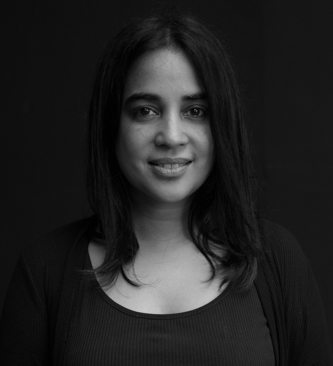
The Forum for Women's Political Rights

Editor in Chief
Netra News

Managing Editor
Netra News
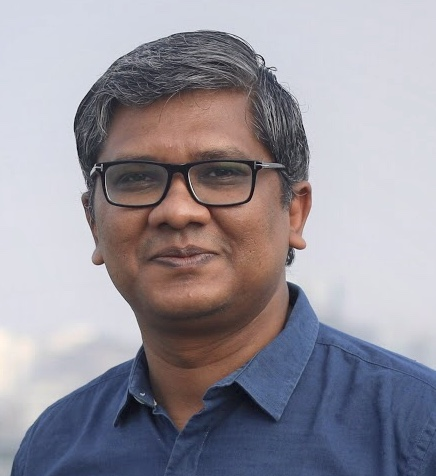
Managing Director
Digitally Right

Video Advocacy and Technology Expert
Independent
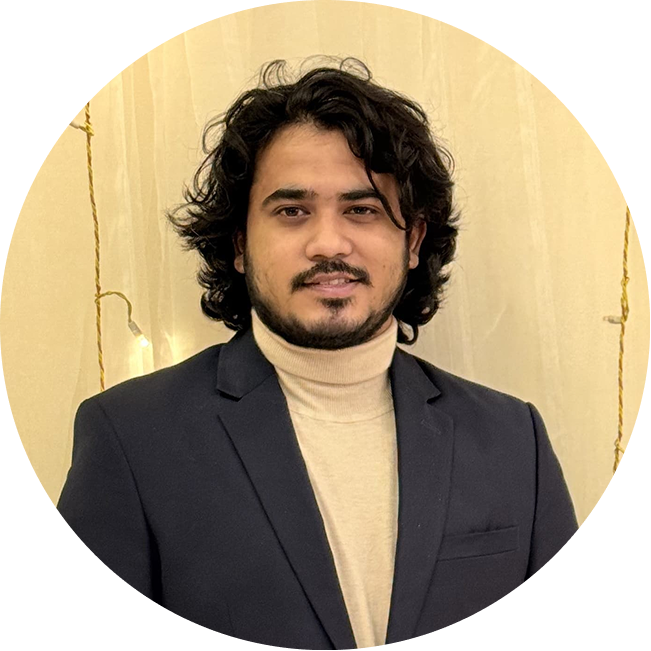
Co-Founder
Activate Rights
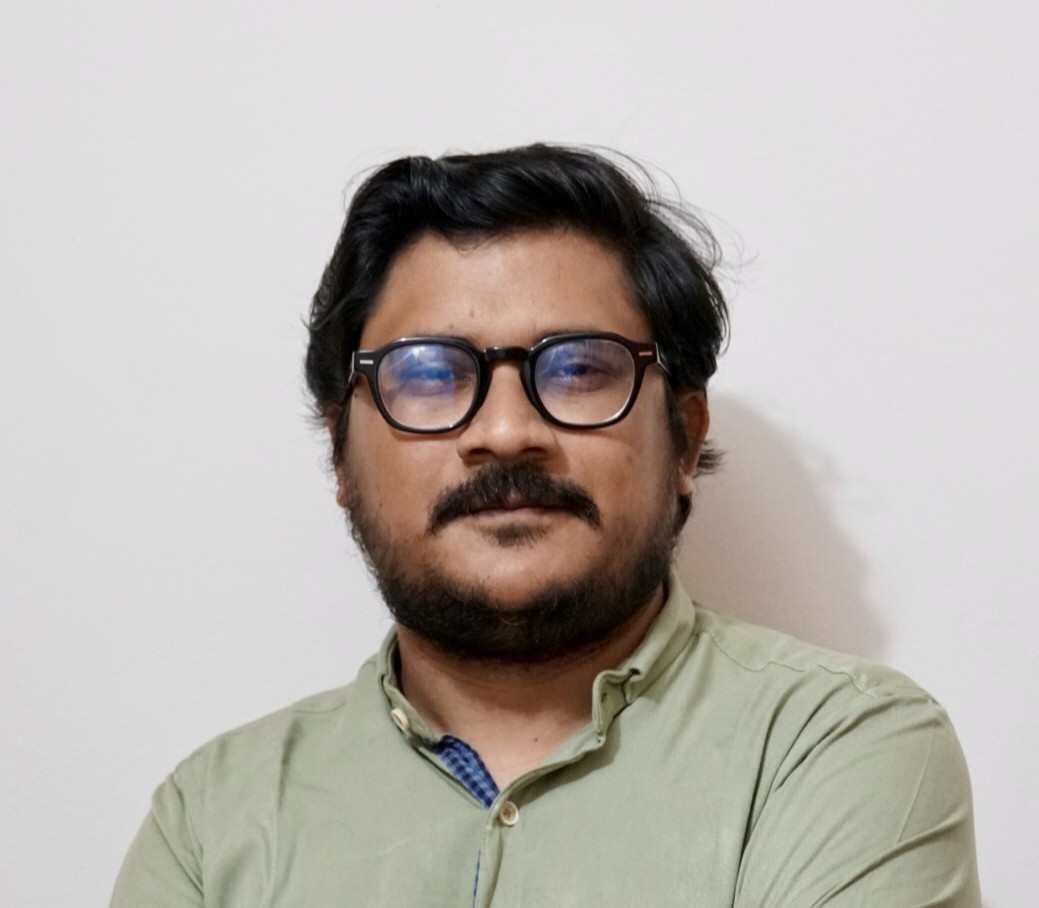
Co-Founder, Research and Policy Lead
Activate Rights
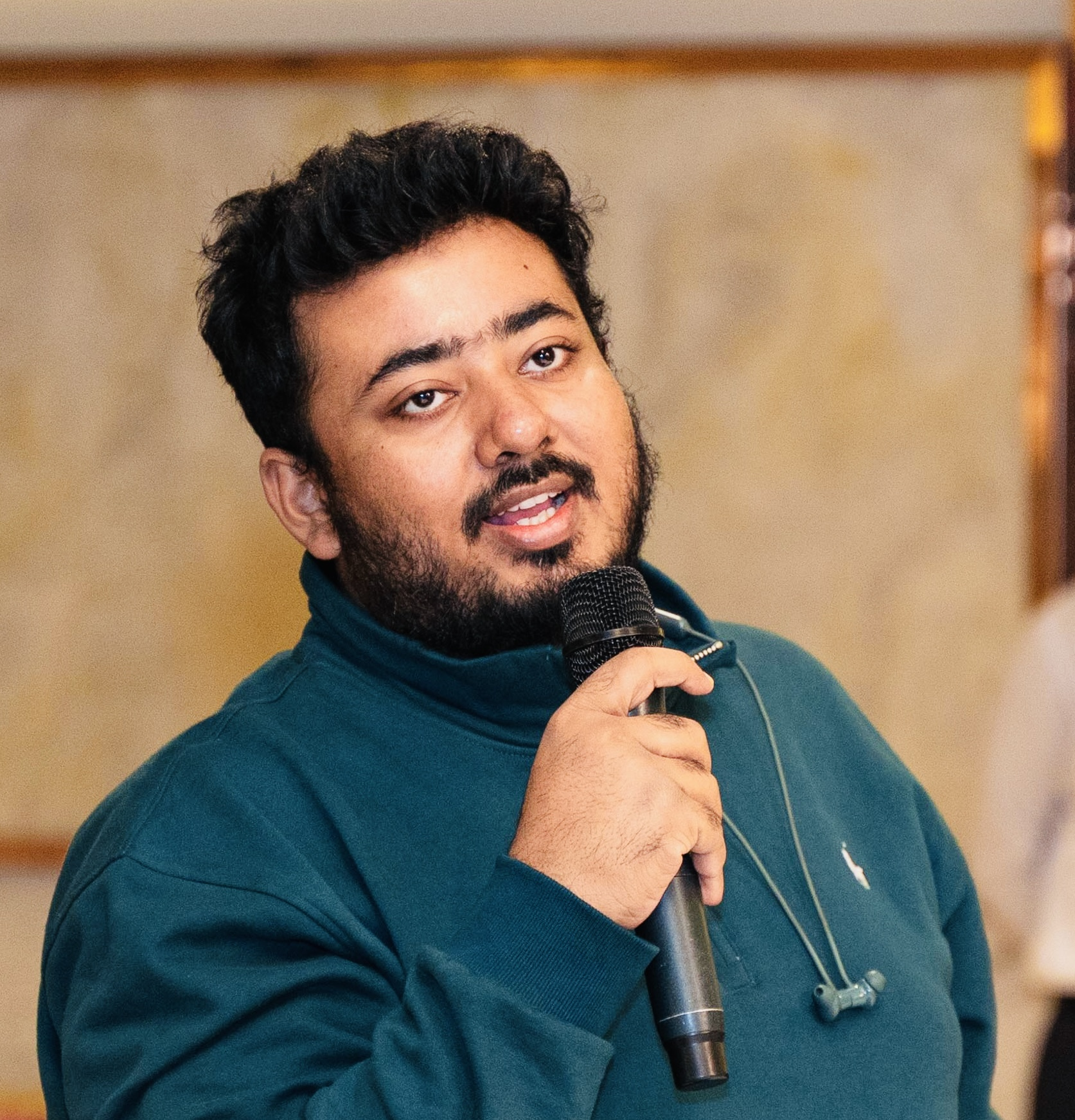
Program and Strategy Lead
Activate Rights
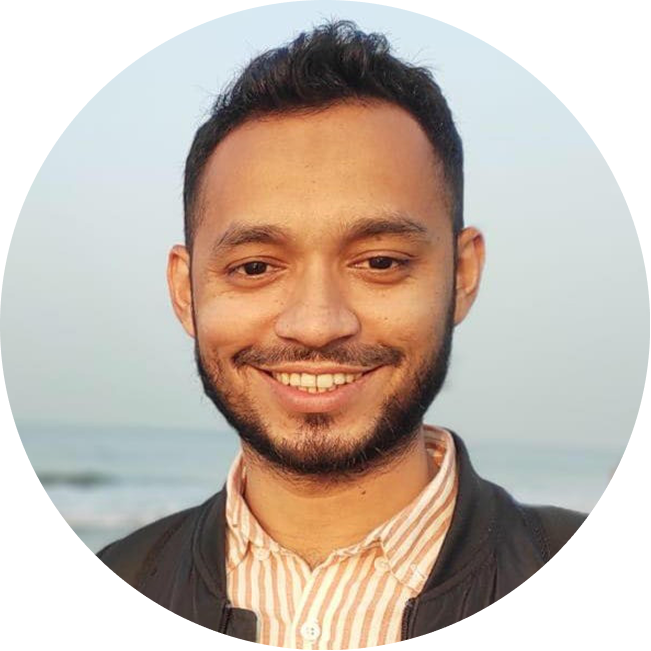
Member Secretary
Bangladeshi Journalists in International Media

Convener
Bangladeshi Journalists in International Media

Head of English Web
Prothom Alo

Senior Reporter
The Daily Star
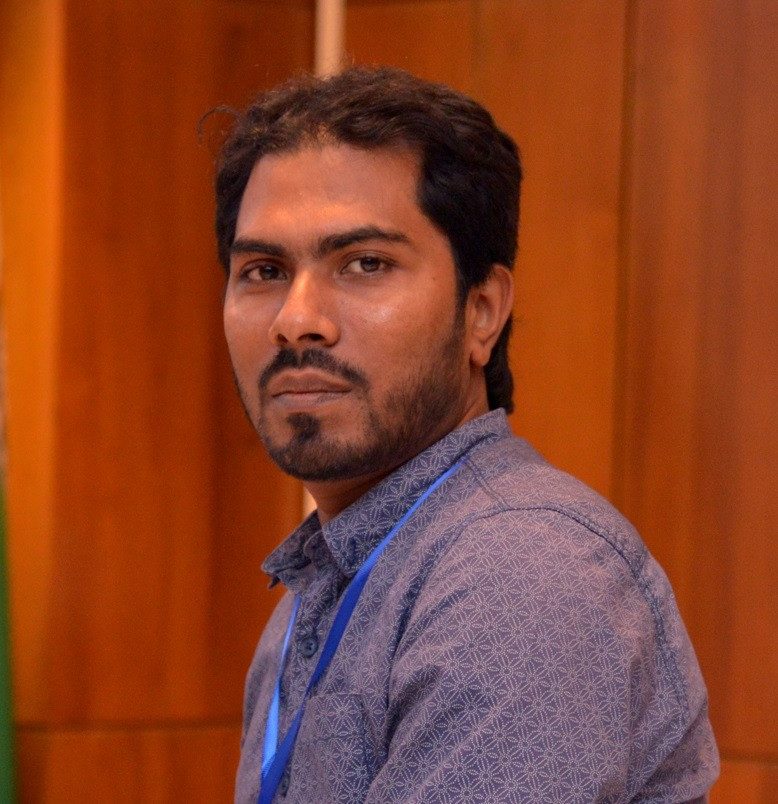
Editor
The Dissent
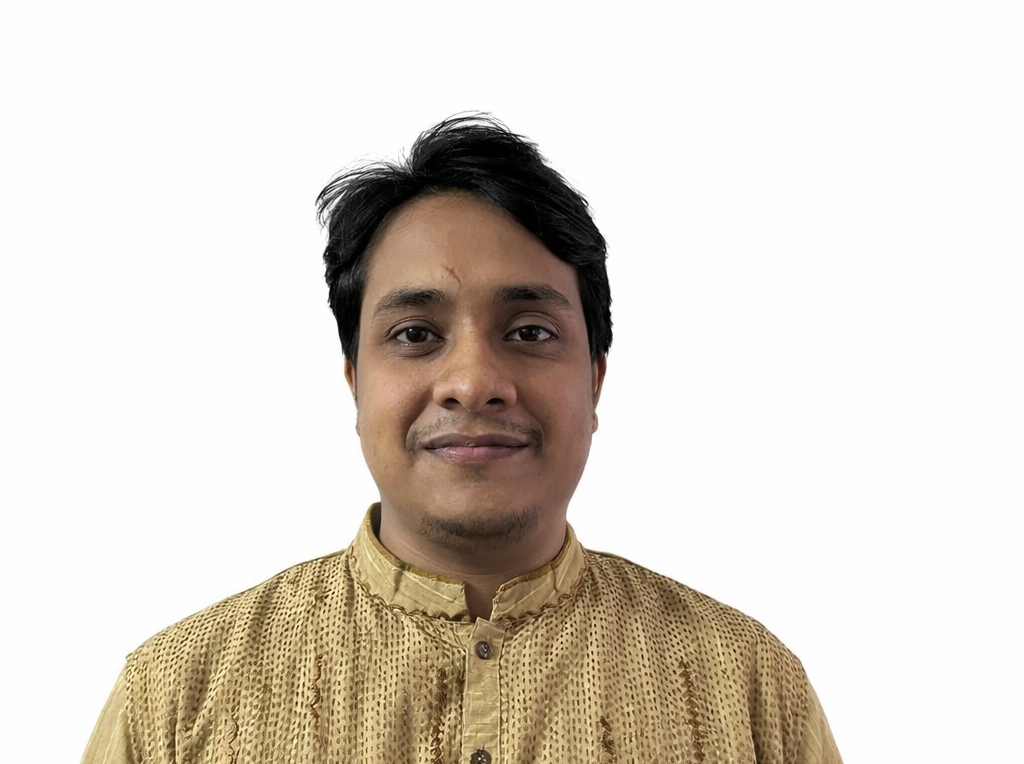
Co- Founder
Tech and Hate
Bangladesh Protest Archive
Across both days of the Conclave, Resistance Cinema Fest will screen a curated selection of investigative documentaries and resistance cinema from Bangladesh and beyond. These films document struggles for justice, human rights violations, and movements of resistance, creating space to reflect on the power of visual storytelling as evidence, memory, and a tool for accountability.
Open to all registered participants.
All Partners
This opening plenary brings together all partner organizations to express collective solidarity and a shared commitment to sustaining the Archive & Resist Conclave beyond this year. The session will reflect on why community-led documentation matters, how archives can support transitional justice, and how we can build long-term collaboration to strengthen this work in Bangladesh and the region. Together, partners will outline a common vision for keeping this platform alive and growing as a space for learning, resistance, and accountability.
Open to all registered participants.
WITNESS
Archiving exists on a spectrum—from simple, baseline practices to more robust systems—depending on available resources, capacities, and the nature of the materials. This hands-on workshop offers a practical introduction to the core components of archiving, including selection, collection, organization, packaging, storage, cataloging, and access. Starting from the basics, participants will explore how to build safer, more resilient archiving practices over time. The workshop is designed for those who are new to archiving, as well as practitioners who want to strengthen and “level up” their existing approaches.
Open to all registered participants.
Bangladeshi Journalists in International Media
This session brings together journalists, researchers, and civil society to discuss ethical election coverage, journalist safety, and effective documentation practices. It will explore challenges like misinformation and digital threats, while highlighting ways to protect democratic processes and preserve a credible public record of the 2026 election.
Open to all registered participants.
Makeateam
This session traces a historical timeline of protest and resistance in Bangladesh, reaching back to movements before 1971 and continuing through later waves of mass mobilization. It will explore why people rise—examining the political, social, and economic forces that fuel resistance, and the moments that turn grievance into collective action. Through historical examples and analysis, the session will look at key drivers of protest, how resistance spreads across communities, including, gender and and the nationwide impacts these movements have had on society, culture, and state power. The discussion invites participants to understand resistance not as isolated events, but as a continuous struggle shaped by memory, injustice, and collective courage.This session traces a historical timeline of protest and resistance in Bangladesh, reaching back to movements before 1971 and continuing through later waves of mass mobilization. It will explore why people rise—examining the political, social, and economic forces that fuel resistance, and the moments that turn grievance into collective action. Through historical examples and analysis, the session will look at key drivers of protest, how resistance spreads across communities, including, gender and and the nationwide impacts these movements have had on society, culture, and state power. The discussion invites participants to understand resistance not as isolated events, but as a continuous struggle shaped by memory, injustice, and collective courage.
Open to all registered participants.
Witness
This practical session explores video-based approaches to building visual investigations using open-source information. Participants will be introduced to key OSINT tools and workflows for collecting, verifying, analyzing, and presenting visual evidence from videos, images, and social media content. The session will also introduce different open-source tools for visualizing investigations, helping participants understand how to structure findings and communicate evidence clearly. It highlights how visual investigations can support human rights documentation, journalism, and accountability efforts.
Open to all registered participants.
Netra News, Bangladesh Protest Archive
This session explores how community-led archiving and open-source investigations are emerging in Bangladesh after July, focusing on the work of Netra News and the Bangladesh Protest Archive (BPA). It examines how journalists, researchers, and activists are building a community-driven ecosystem for human rights documentation and grassroots investigations. Speakers will share how these initiatives collect, verify, and preserve open-source information to document violations, counter disinformation, and support accountability, while reflecting on the challenges of trust, safety, and sustaining community participation.
Open to all registered participants.
Witness, Activate Rights
As Bangladesh approaches its February election, we’re seeing increasing use of AI-generated content and deepfakes to confuse, discredit, and intimidate activists, journalists, and civic actors. The session is designed to be more than a panel but lighter than a technical training. It focuses on how to respond rather than panic or over-rely on tools. Participants will be guided through common election-related scenarios to discuss what to do when encountering suspected AI-generated content, how to interpret detection claims cautiously, and how to make informed decisions under pressure.
Open to all registered participants.
Tech & Hate, SecDev
Extremism in Bangladesh increasingly flows through a digital-to-physical pipeline, where online narratives, networks, and platforms enable recruitment, normalization, and eventual offline mobilization. This session offers a focused, evidence-based overview of how Bangla-language extremist ecosystems—shaped by transnational influence, identity-based grievances, and emotionally charged narratives—move audiences from exposure to action.Participants will gain practical insight into tracking extremist discourse over time, distinguishing ideological signaling from operational risk, and mapping network migration across platforms. The session also examines the erosion of trust in counter-extremism efforts and the structural conditions sustaining recruitment ahead of electoral cycles. This session is designed for journalists, researchers, analysts, and civil society actors working to understand and respond to extremist activity across digital and physical spaces.
Open to all registered participants.
HURIDOCS
This practical session explores how fragmented documentation and scattered datasets can be transformed into structured, resilient human rights database systems. Participants will learn why databases matter for long-term documentation, investigations, and accountability work. The discussion will cover key principles of organizing, standardizing, and maintaining human rights data in challenging environments. The session will also reflect on ethical, security, and sustainability considerations. Participants will leave with a clearer understanding of how database systems can support sustained resistance and long-term justice efforts.
Open to all registered participants.
Organized by UNDP, CSO Representatives
In 2024, the United Nations defined transitional justice as: “the full range of processes and mechanisms associated with a society’s attempts to come to terms with a legacy of large-scale past abuses, in order to ensure accountability, serve justice and achieve reconciliation. These may include both judicial and non-judicial mechanisms, with differing levels of international involvement (or none at all) and individual prosecutions, reparations, truth-seeking, institutional reform, vetting and dismissals, or a combination thereof.” Since then, the concept has further evolved to encompass four key dimensions: “truth seeking, criminal justice, reparation and guarantees of nonrecurrence.” The absence of shared truth and understanding—combined with grievances, power imbalances, inequality, and other forms of marginalization—undermines social cohesion. These challenges make it difficult for societies to rebuild the social contract after conflict or a legacy of grave human rights violations. Importantly, a shared truth does not imply a single, uniform narrative. Rather, it refers to an agreed-upon set of facts and recognition of suffering that can bridge divided communities. Such acknowledgment provides the foundation for reconciliation, addressing the root causes of conflict and restoring trust. Transitional justice processes have often turned to non-judicial mechanisms of truth seeking to address the crimes of former regimes. These approaches, while imperfect, have offered pathways toward healing and reform. This panel will explore how transitional justice tools—truth seeking, criminal justice, reparation, and guarantees of nonrecurrence—contribute to building a common narrative that enables societies to look forward. In line with the conference theme of archiving and documentation, it will also highlight the critical role that archiving plays in supporting these processes.
Open to all registered participants.
Center for the Study of Organized Hate
This session introduces the work of the Center for the Study of Organized Hate (CSOH) and explores how research-driven hate tracking can strengthen human rights documentation, advocacy, and policy engagement in South Asia. Through discussion and peer exchange, participants will reflect on shared challenges and how to build regional collaboration to counter organized hate and protect democratic space.
Open to all registered participants.
Activate Rights, BRAC James P Grant School of Public Health
Technology-Facilitated Gender-Based Violence (TFGBV) is widespread, fast-moving, and often poorly documented—making accountability harder and harm deeper. This session offers a practical, survivor-centered introduction to documenting TFGBV safely, ethically, and effectively, with a focus on supporting platform accountability. Through real-world examples and hands-on guidance, participants will learn core principles for capturing, preserving, and organizing digital evidence; minimizing risks to survivors and documenters; and using documentation to support advocacy, platform accountability, and legal or policy action. This session is designed for activists, journalists, researchers, and community responders working at the frontlines of online harm.
Open to all registered participants.
Jogajog and Friends
This session explores how emerging civic technologies can support crisis response, documentation, and accountability in Bangladesh. Participants will discuss real-world challenges, local needs, and opportunities for building tools that strengthen community resilience and human rights work.
Open to all registered participants.
Independent
This hands-on workshop offers practical, field-tested steps to help activists, documenters, and journalists securely capture, organize, and preserve documentation so it remains safe, findable, and usable for future accountability and justice processes. Participants will practice a simple Capture–Protect–Preserve workflow designed for high-risk situations such as elections, raids, violent crackdowns, and internet shutdowns. The session focuses on realistic, low-barrier methods that can be applied even under pressure and limited resources. Participants will leave with a clear, adaptable approach they can immediately use with their teams and communities.
Open to all registered participants.
Sapran
This session examines the often-overlooked lethality of pellet guns (chhorra guli) when used in crowd-control contexts and the severe human suffering they cause. Drawing on investigative research and documentation, the session will explore how these weapons inflict life-altering injuries, permanent disability, and, in some cases, death.Through case studies and evidence-based analysis, participants will learn how lethality is investigated, documented, and communicated, and why exposing the real impacts of so-called “less-lethal” weapons is essential for accountability, advocacy, and the protection of human rights.
Open to all registered participants.
The Dissent, Dismislab, Fact Watch, Rumor Scanner, AFP Fact Check, Shottify
This session examines how coordinated, industrial-scale information disorder—including FIMI, disinformation, and influence operations—is shaping Bangladesh’s information environment before and after the election. It will explore key tactics, actors, and real-world impacts, and discuss how research, documentation, and cross-sector collaboration can help expose and counter large-scale information warfare.
Open to all registered participants.
Centre for Critical Discourse
This session explores how the Saint Martin community archives silenced histories and resists dominant tourism and top-down conservation narratives. Through dialogue, documentary clips, and live conversation with island residents, participants will engage with community-led resistance, memory, and alternative imaginaries. The discussion examines how systems of governance shape land, livelihoods, and belonging. Participants will also reflect on building rights-based, accountable approaches to tourism and conservation.
Open to all registered participants.
Bangladesh Protest Archive
This invitation-only, closed-door session marks the official announcement of the Archive & Resist Fund—an independent fundraising initiative to support community-led human rights documentation, archiving, and accountability work. The session will bring together philanthropists, activists, and community leaders to share solidarity and explore ways to build sustainable, long-term support for grassroots documentation efforts. While the fund is being initiated by Activate Rights and the Bangladesh Protest Archive (BPA), it will be independently governed and led by an independent advisory board to ensure transparency, accountability, and community trust.
Open to all registered participants.
Organizing Committee
Reflecting on the two days of work and setting the agenda for the coming year.
Open to all registered participants.
Artivism Studio
Running alongside Archive & Resist Conclave 2026, this interactive exhibition showcases posters and artworks from protests and human rights movements, inspired by the July Uprising in Bangladesh and global youth-led struggles. Selected works will be displayed at BRAC University, with contributors invited to join participatory art sessions and potentially be featured in an online resistance gallery.
Open to all registered participants.
Bangladesh Protest Archive
Across both days of the Conclave, Resistance Cinema Fest will screen a curated selection of investigative documentaries and resistance cinema from Bangladesh and beyond. These films document struggles for justice, human rights violations, and movements of resistance, creating space to reflect on the power of visual storytelling as evidence, memory, and a tool for accountability.
Open to all registered participants.
All Partners
This opening plenary brings together all partner organizations to express collective solidarity and a shared commitment to sustaining the Archive & Resist Conclave beyond this year. The session will reflect on why community-led documentation matters, how archives can support transitional justice, and how we can build long-term collaboration to strengthen this work in Bangladesh and the region. Together, partners will outline a common vision for keeping this platform alive and growing as a space for learning, resistance, and accountability.
Open to all registered participants.
WITNESS
Archiving exists on a spectrum—from simple, baseline practices to more robust systems—depending on available resources, capacities, and the nature of the materials. This hands-on workshop offers a practical introduction to the core components of archiving, including selection, collection, organization, packaging, storage, cataloging, and access. Starting from the basics, participants will explore how to build safer, more resilient archiving practices over time. The workshop is designed for those who are new to archiving, as well as practitioners who want to strengthen and “level up” their existing approaches.
Open to all registered participants.
Bangladeshi Journalists in International Media
This session brings together journalists, researchers, and civil society to discuss ethical election coverage, journalist safety, and effective documentation practices. It will explore challenges like misinformation and digital threats, while highlighting ways to protect democratic processes and preserve a credible public record of the 2026 election.
Open to all registered participants.
Makeateam
This session traces a historical timeline of protest and resistance in Bangladesh, reaching back to movements before 1971 and continuing through later waves of mass mobilization. It will explore why people rise—examining the political, social, and economic forces that fuel resistance, and the moments that turn grievance into collective action. Through historical examples and analysis, the session will look at key drivers of protest, how resistance spreads across communities, including, gender and and the nationwide impacts these movements have had on society, culture, and state power. The discussion invites participants to understand resistance not as isolated events, but as a continuous struggle shaped by memory, injustice, and collective courage.This session traces a historical timeline of protest and resistance in Bangladesh, reaching back to movements before 1971 and continuing through later waves of mass mobilization. It will explore why people rise—examining the political, social, and economic forces that fuel resistance, and the moments that turn grievance into collective action. Through historical examples and analysis, the session will look at key drivers of protest, how resistance spreads across communities, including, gender and and the nationwide impacts these movements have had on society, culture, and state power. The discussion invites participants to understand resistance not as isolated events, but as a continuous struggle shaped by memory, injustice, and collective courage.
Open to all registered participants.
Witness
This practical session explores video-based approaches to building visual investigations using open-source information. Participants will be introduced to key OSINT tools and workflows for collecting, verifying, analyzing, and presenting visual evidence from videos, images, and social media content. The session will also introduce different open-source tools for visualizing investigations, helping participants understand how to structure findings and communicate evidence clearly. It highlights how visual investigations can support human rights documentation, journalism, and accountability efforts.
Open to all registered participants.
Netra News, Bangladesh Protest Archive
This session explores how community-led archiving and open-source investigations are emerging in Bangladesh after July, focusing on the work of Netra News and the Bangladesh Protest Archive (BPA). It examines how journalists, researchers, and activists are building a community-driven ecosystem for human rights documentation and grassroots investigations. Speakers will share how these initiatives collect, verify, and preserve open-source information to document violations, counter disinformation, and support accountability, while reflecting on the challenges of trust, safety, and sustaining community participation.
Open to all registered participants.
Witness, Activate Rights
As Bangladesh approaches its February election, we’re seeing increasing use of AI-generated content and deepfakes to confuse, discredit, and intimidate activists, journalists, and civic actors. The session is designed to be more than a panel but lighter than a technical training. It focuses on how to respond rather than panic or over-rely on tools. Participants will be guided through common election-related scenarios to discuss what to do when encountering suspected AI-generated content, how to interpret detection claims cautiously, and how to make informed decisions under pressure.
Open to all registered participants.
Tech & Hate, SecDev
Extremism in Bangladesh increasingly flows through a digital-to-physical pipeline, where online narratives, networks, and platforms enable recruitment, normalization, and eventual offline mobilization. This session offers a focused, evidence-based overview of how Bangla-language extremist ecosystems—shaped by transnational influence, identity-based grievances, and emotionally charged narratives—move audiences from exposure to action.Participants will gain practical insight into tracking extremist discourse over time, distinguishing ideological signaling from operational risk, and mapping network migration across platforms. The session also examines the erosion of trust in counter-extremism efforts and the structural conditions sustaining recruitment ahead of electoral cycles. This session is designed for journalists, researchers, analysts, and civil society actors working to understand and respond to extremist activity across digital and physical spaces.
Open to all registered participants.
HURIDOCS
This practical session explores how fragmented documentation and scattered datasets can be transformed into structured, resilient human rights database systems. Participants will learn why databases matter for long-term documentation, investigations, and accountability work. The discussion will cover key principles of organizing, standardizing, and maintaining human rights data in challenging environments. The session will also reflect on ethical, security, and sustainability considerations. Participants will leave with a clearer understanding of how database systems can support sustained resistance and long-term justice efforts.
Open to all registered participants.
Organized by UNDP, CSO Representatives
In 2024, the United Nations defined transitional justice as: “the full range of processes and mechanisms associated with a society’s attempts to come to terms with a legacy of large-scale past abuses, in order to ensure accountability, serve justice and achieve reconciliation. These may include both judicial and non-judicial mechanisms, with differing levels of international involvement (or none at all) and individual prosecutions, reparations, truth-seeking, institutional reform, vetting and dismissals, or a combination thereof.” Since then, the concept has further evolved to encompass four key dimensions: “truth seeking, criminal justice, reparation and guarantees of nonrecurrence.” The absence of shared truth and understanding—combined with grievances, power imbalances, inequality, and other forms of marginalization—undermines social cohesion. These challenges make it difficult for societies to rebuild the social contract after conflict or a legacy of grave human rights violations. Importantly, a shared truth does not imply a single, uniform narrative. Rather, it refers to an agreed-upon set of facts and recognition of suffering that can bridge divided communities. Such acknowledgment provides the foundation for reconciliation, addressing the root causes of conflict and restoring trust. Transitional justice processes have often turned to non-judicial mechanisms of truth seeking to address the crimes of former regimes. These approaches, while imperfect, have offered pathways toward healing and reform. This panel will explore how transitional justice tools—truth seeking, criminal justice, reparation, and guarantees of nonrecurrence—contribute to building a common narrative that enables societies to look forward. In line with the conference theme of archiving and documentation, it will also highlight the critical role that archiving plays in supporting these processes.
Open to all registered participants.
Center for the Study of Organized Hate
This session introduces the work of the Center for the Study of Organized Hate (CSOH) and explores how research-driven hate tracking can strengthen human rights documentation, advocacy, and policy engagement in South Asia. Through discussion and peer exchange, participants will reflect on shared challenges and how to build regional collaboration to counter organized hate and protect democratic space.
Open to all registered participants.
Activate Rights, BRAC James P Grant School of Public Health
Technology-Facilitated Gender-Based Violence (TFGBV) is widespread, fast-moving, and often poorly documented—making accountability harder and harm deeper. This session offers a practical, survivor-centered introduction to documenting TFGBV safely, ethically, and effectively, with a focus on supporting platform accountability. Through real-world examples and hands-on guidance, participants will learn core principles for capturing, preserving, and organizing digital evidence; minimizing risks to survivors and documenters; and using documentation to support advocacy, platform accountability, and legal or policy action. This session is designed for activists, journalists, researchers, and community responders working at the frontlines of online harm.
Open to all registered participants.
Jogajog and Friends
This session explores how emerging civic technologies can support crisis response, documentation, and accountability in Bangladesh. Participants will discuss real-world challenges, local needs, and opportunities for building tools that strengthen community resilience and human rights work.
Open to all registered participants.
Independent
This hands-on workshop offers practical, field-tested steps to help activists, documenters, and journalists securely capture, organize, and preserve documentation so it remains safe, findable, and usable for future accountability and justice processes. Participants will practice a simple Capture–Protect–Preserve workflow designed for high-risk situations such as elections, raids, violent crackdowns, and internet shutdowns. The session focuses on realistic, low-barrier methods that can be applied even under pressure and limited resources. Participants will leave with a clear, adaptable approach they can immediately use with their teams and communities.
Open to all registered participants.
Sapran
This session examines the often-overlooked lethality of pellet guns (chhorra guli) when used in crowd-control contexts and the severe human suffering they cause. Drawing on investigative research and documentation, the session will explore how these weapons inflict life-altering injuries, permanent disability, and, in some cases, death.Through case studies and evidence-based analysis, participants will learn how lethality is investigated, documented, and communicated, and why exposing the real impacts of so-called “less-lethal” weapons is essential for accountability, advocacy, and the protection of human rights.
Open to all registered participants.
The Dissent, Dismislab, Fact Watch, Rumor Scanner, AFP Fact Check, Shottify
This session examines how coordinated, industrial-scale information disorder—including FIMI, disinformation, and influence operations—is shaping Bangladesh’s information environment before and after the election. It will explore key tactics, actors, and real-world impacts, and discuss how research, documentation, and cross-sector collaboration can help expose and counter large-scale information warfare.
Open to all registered participants.
Centre for Critical Discourse
This session explores how the Saint Martin community archives silenced histories and resists dominant tourism and top-down conservation narratives. Through dialogue, documentary clips, and live conversation with island residents, participants will engage with community-led resistance, memory, and alternative imaginaries. The discussion examines how systems of governance shape land, livelihoods, and belonging. Participants will also reflect on building rights-based, accountable approaches to tourism and conservation.
Open to all registered participants.
Bangladesh Protest Archive
This invitation-only, closed-door session marks the official announcement of the Archive & Resist Fund—an independent fundraising initiative to support community-led human rights documentation, archiving, and accountability work. The session will bring together philanthropists, activists, and community leaders to share solidarity and explore ways to build sustainable, long-term support for grassroots documentation efforts. While the fund is being initiated by Activate Rights and the Bangladesh Protest Archive (BPA), it will be independently governed and led by an independent advisory board to ensure transparency, accountability, and community trust.
Open to all registered participants.
Organizing Committee
Reflecting on the two days of work and setting the agenda for the coming year.
Open to all registered participants.
Artivism Studio
Running alongside Archive & Resist Conclave 2026, this interactive exhibition showcases posters and artworks from protests and human rights movements, inspired by the July Uprising in Bangladesh and global youth-led struggles. Selected works will be displayed at BRAC University, with contributors invited to join participatory art sessions and potentially be featured in an online resistance gallery.
Open to all registered participants.
We are pleased to announce the first edition of Archive & Resist Conclave, to be held on 26–27 January 2026 in Dhaka, Bangladesh.
Read Full Article
This call is only for those who wish to co-host a session, workshop, or any other collaborative activity.
Read Full Article
Answers to common questions about the Archive & Resist Conclave 2026.
Read Full Article







A convening for individuals and organizations engaged in human rights, digital rights, social justice, and documentation practices.